




login
register
中文
History
search

Contact US
- Baking & Non-baking enzymes
- Baking enzymes
- Flour improvement enzymes
- Non-baking enzymes
- Juice, Wine and Plant Extract
- Fruit and vegetable enzymes
- Plant extract enzymes
- Wine enzymes
- Coffee processing enzymes
- Tobacco enzymes
- Starch and Grain Processing
- Starch
- Starch sugar
- Brewing
- Fermentation
- Ethanol/Portable Alcohol
- Animal & Vegetable Protein
- Animal protein
- Vegetable protein
- Transglutaminase
- Egg, Meat and Dairy

- Livestock & Poultry
- All animals
- Poultry enzymes
- Pig/Swine enzymes
- Ruminant
- Cattle
- Dairy cow
- Aquaculture
- Feed single enzyme
- NSPase
- Glucose oxidase
- Lysozyme
- Protease
- Lipase
- Alpha-amylase
- Phytase
- More >
- Fermented feed
- Feed ensilage
- Textile enzymes
- Bioscouring
- Denim washing
- Biopolishing
- Bleach cleanup
- Desizing & sizing
- Detergent enzymes
- Enzyme blend
- Individual enzymes
- Pulp & Paper
- Pulping
- Deposit control
- Starch modification
- Bleaching
- Leather
- Soaking
- Liming
- Degreasing
- Bating
- New applications
- Food new applications
- Waster water treatment
- Agriculture
- Oil drilling


detail
Company news
Industry news
Media news
Enhancing Brewing Efficiency with Enzymes
In the highly competitive brewing industry, breweries are continually seeking ways to optimize their processes to meet market demands. One effective approach is the strategic use of exogenous enzymes. These enzymes not only reduce fermentation time but also enhance the quality of the final product. This blog explores the key enzymes used in brewing and their specific applications.
1. β-Glucanase
β-Glucans are polysaccharides composed of glucose molecules linked by β-1,3 and β-1,4 bonds. In barley, β-glucans are predominantly β-1,3-linked. During malting, β-glucanase enzymes naturally occur but lose most of their activity during drying, resulting in low endogenous β-glucanase activity in the malt. To address this, breweries add exogenous β-glucanase. This enzyme reduces wort viscosity, improves filtration speed and clarity, increases wort yield, lowers grain usage, and enhances the overall brewing process efficiency. Additionally, it boosts saccharification efficiency, leading to more fermentable sugars and better membrane usage in filtration systems, extending their lifespan.
Thermostable α-amylase hydrolyzes α-1,4 glycosidic bonds in starches at high temperatures, producing soluble dextrins and reducing wort viscosity. This enzyme facilitates rapid starch liquefaction, clear wort, and reduced gelatinization and filtration times. It also allows for higher adjunct ratios, lowering production costs and enhancing beer quality by improving raw material utilization.
3. Protease
Protease targets proline residues in polypeptides, preventing the formation of haze-causing complexes between polypeptides and polyphenols. This action ensures clarity without affecting foam stability or taste and preserves beer's natural antioxidant properties.
Fungal α-amylase rapidly hydrolyzes α-1,4 glycosidic bonds in both amylose and amylopectin, producing maltose, maltotriose, glucose, and other oligosaccharides. This enzyme enhances starch liquefaction, reduces gelatinization time, and improves wort fermentability and residual sugar levels.
5. Xylanase
Barley endosperm cell walls are mainly composed of β-glucans and arabinoxylans. Xylanase, particularly endo-β-1,4-xylanase, breaks down xylan into xylo-oligosaccharides and xylose. This enzyme reduces wort viscosity, enhances filtration speed and clarity, increases wort yield, and improves brewhouse efficiency by enhancing saccharification and stabilizing beer colloids.
6. Glucoamylase
Also known as amyloglucosidase, glucoamylase hydrolyzes α-1,4 glycosidic bonds in starch from the non-reducing ends, producing glucose. It is used in the saccharification process to increase fermentability and yield during brewing.
7. Complex Enzyme Preparations
Complex enzyme preparations combine various enzymes to synergistically reduce wort viscosity and address filtration and yield challenges. These preparations are tailored for high-temperature zones (60-70°C), maintaining high enzyme activity and improving overall brewing efficiency.
Conclusion
The application of enzymes in brewing
significantly enhances the production process, improving efficiency, reducing
costs, and ensuring high-quality beer. Understanding and utilizing these
enzymes can lead to more consistent and superior brewing outcomes. Stay tuned
for more insights into the fascinating world of enzyme technology in brewing.
prev
next

Invitation for Joint Innovation with Sunson
An invitation for all enzyme-related parties to join Sunson for the innovation in new enzyme, new application, new segment and new market.
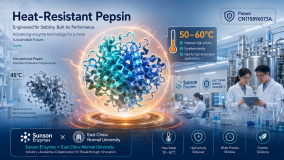
Sunson & ECNU Patent Breakthrough: Engineered Thermostable Pepsin for High-Temp Feed & Food Processing
Sunson and East China Normal University secure a patent for highly thermostable pepsin. This engineered heat-resistant enzyme boosts efficiency in feed pelleting and food processing.

Discover the Future of Baking Enzymes with Sunson at the 28th China International Baking Exhibition!
Meet Sunson at the 28th China International Baking Exhibition (CIBE 2026) in Shanghai. Visit Booth 82H03 (Hall 8.2) from May 20-23 to explore innovative enzyme solutions for bread, biscuits, and noodles. Live demos & expert consulting!
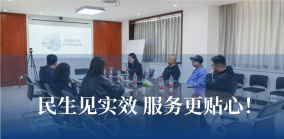
Sunson Visited by Yinchuan Economic Zone Leaders
Yinchuan Economic Development Zone leaders visit Sunson to discuss biotech innovation, enzyme production, and foreign trade expansion. Explore Sunson's 30-year legacy and global growth strategy.
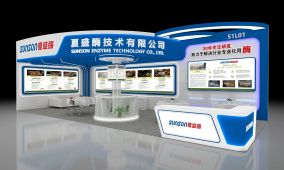
Sunson Enzyme shines at FIC 2026
Sunson Enzyme showcases its core enzyme preparation products and technical solutions at the 29th China International Food Additives and Ingredients Exhibition (FIC) in Shanghai.
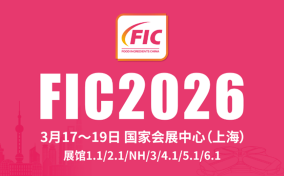
Invitation to visit Sunson at FIC2026
We sincerely invite you to visit our booth at the 29th China International Food Additives and Ingredients Exhibition (FIC 2026).

Sunson to Exhibit at FeedVetGrain Expo 2025
Sunson will present its full portfolio of science-driven feed enzyme solutions at FeedVetGrain Expo 2025

Meet Sunson at in-cosmetics™ Asia 2025 (Booth G65)
Sunson will participate in-cosmetics™ Asia 2025 with its products for oral-care and cosmetics
Sunson Industry Group Co., Ltd.
Address: Room 1404 (15A04), Building 2, Beichenxinjiyuan, No. 13A, Beiyuan Road, Chaoyang District, Beijing, China
Phone:+86 10 84921916; Mobile: +86 18310169953 (Skype or Wechat)
E-mail:enquiry@sunsonzymes.com
For WeChat Connetion
links:


