




login
register
中文
History
search

Contact US
- Baking & Non-baking enzymes
- Baking enzymes
- Flour improvement enzymes
- Non-baking enzymes
- Juice, Wine and Plant Extract
- Fruit and vegetable enzymes
- Plant extract enzymes
- Wine enzymes
- Coffee processing enzymes
- Tobacco enzymes
- Starch and Grain Processing
- Starch
- Starch sugar
- Brewing
- Fermentation
- Ethanol/Portable Alcohol
- Animal & Vegetable Protein
- Animal protein
- Vegetable protein
- Transglutaminase
- Egg, Meat and Dairy
- Livestock & Poultry
- All animals
- Poultry enzymes
- Pig/Swine enzymes
- Ruminant
- Cattle
- Dairy cow
- Aquaculture
- Feed single enzyme
- NSPase
- Glucose oxidase
- Lysozyme
- Protease
- Lipase
- Alpha-amylase
- Phytase
- More >
- Fermented feed
- Feed ensilage
- Textile enzymes
- Bioscouring
- Denim washing
- Biopolishing
- Bleach cleanup
- Desizing & sizing
- Detergent enzymes
- Enzyme blend
- Individual enzymes
- Pulp & Paper
- Pulping
- Deposit control
- Starch modification
- Bleaching
- Leather
- Soaking
- Liming
- Degreasing
- Bating
- New applications
- Food new applications
- Waster water treatment
- Agriculture
- Oil drilling


detail
Company news
Industry news
Media news
Different Types of Cellulases and Their Applications in Industrial Processes
Cellulases
are a group of enzymes that break down cellulose, which is a complex
carbohydrate found in plant cell walls. There are several different types of
cellulases with different properties and applications across various
industries. Here are some of the most common types of cellulases and their
respective applications and performance:
1. Endoglucanase (EG)
Endoglucanases cleave cellulose by breaking internal bonds within the cellulose chain. They are commonly used in the pulp and paper industry to reduce energy consumption during bleaching processes. EGs can also improve the efficiency of biomass conversion processes, such as biofuels production.
2. Exoglucanase or cellobiohydrolase (CBH)
Exoglucanases, also known as cellobiohydrolases, work on the ends of cellulose chains to release cellobiose units. CBHs are commonly used in the production of biofuels, as they are more effective at releasing glucose from cellulose than other cellulases.
3. Beta-glucosidase (BGL)
Beta-glucosidases catalyze the hydrolysis of cellobiose into glucose. This enzyme is essential for complete cellulose degradation since it converts cellobiose to glucose, which can then be fermented to produce biofuels or other high value-added chemicals. BGLs are often used in combination with other cellulases to maximize sugar release from cellulose.
4. Lytic polysaccharide monooxygenase (LPMO)
Lytic polysaccharide monooxygenases (LPMOs) are copper-containing enzymes that oxidatively cleave crystalline cellulose to produce new chain ends that can be attacked by other cellulases. LPMOs are used in the production of biofuels and other bioproducts, as they can enhance the activity of other cellulases, leading to increased yields of fermentable sugars.
5. Cellulase mixtures
Many
industrial processes require the use of a mixture of cellulases to effectively
break down cellulose. For example, the production of biofuels from
lignocellulosic feedstocks requires the use of a combination of cellulases to
efficiently hydrolyze the cellulose and hemicellulose components of the
biomass. Cellulase mixtures can be tailored to suit specific process
requirements, including temperature and pH ranges.
Cellulases are essential for the efficient breakdown of cellulose in many industrial processes. The specific type of cellulase used depends on the application and desired performance parameters, such as optimal temperature and pH range, substrate specificity, and the need for synergistic effects with other enzymes. Below are some cellulase applications across various industries.
Food Industry Applications: The food industry uses cellulase in several ways. One major application is in juice and wine production. By breaking down cell walls, cellulase promotes the release of liquid, leading to increased yield. The enzyme can also improve the extraction of valuable compounds from plant sources used in food products. Cellulase is also useful in starch separation, where it can enhance the yield of starch through the breakdown of the cell wall.
Another significant application of cellulase is in bioethanol production. Bioethanol can be produced from cellulosic feedstocks such as agricultural waste, corn stover, switchgrass, and sawdust. However, these materials are challenging to break down due to their tough cell walls. Cellulase enzymes are used to break down these cell walls and release fermentable sugars for ethanol production.
Textile Industry Applications: Cellulase enzymes have become increasingly important in the textile industry. One of the most popular applications is in biostoning. Biostoning involves treating denim fabrics with cellulase to create a worn or aged look. The process breaks down the fibers on the surface of the fabric, giving it a faded appearance. Biostoning reduces the need for harsh chemicals and mechanical abrasion, making the process more environmentally friendly.
Cellulase is also used in biofinishing, which can improve the feel and appearance of fabrics. The enzyme removes fibers on the surface of the fabric, giving it a softer texture. Biopolishing, another application, leads to improved fabric strength and durability by removing protruding fibers and creating a smoother surface.
Feed Industry Applications: Cellulase enzymes are widely used in the feed industry to improve feed utilization and nutrition absorption in animals. Cellulase breaks down the cell walls of plant-based feedstuffs, releasing nutrients that would otherwise be unavailable for digestion. Improved nutrient availability means higher levels of growth and better overall health in animals.
Pulp and Paper Industry Applications: Cellulase has several applications in the pulp and paper industry. The enzyme is widely used to aid in fiber refining, enhance paper strength, and improve other paper quality metrics. Cellulase can break down cellulose fibers, making them easier to refine and process. It can also improve drainage and sheet formation during the papermaking process.
In addition to its role in papermaking, cellulase enzymes have been essential in paper recycling. Enzymes like cellulase break down ink and other contaminants from recycled paper fibers, improving the quality of the paper produced.Suson
developed various cellulase products with nice diversity for different
industries, such as food, feed, bioethanol, textile and pulp & paper. Come
and visit our product web to find the right products for you!
prev
next

Invitation for Joint Innovation with Sunson
An invitation for all enzyme-related parties to join Sunson for the innovation in new enzyme, new application, new segment and new market.
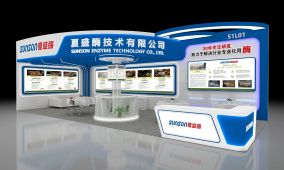
Sunson Enzyme shines at FIC 2026
Sunson Enzyme showcases its core enzyme preparation products and technical solutions at the 29th China International Food Additives and Ingredients Exhibition (FIC) in Shanghai.
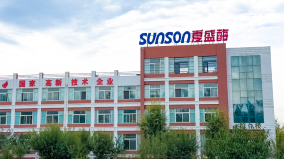
Sunson Innovation Center Officially Opens
Sunson Enzyme Technology Co., Ltd. (Sunson) has officially launched its state-of-the-art Biocatalyst Innovation Center, marking a pivotal milestone in the company’s journey toward technological leadership.

Sunson shines at FIC 2025
Sunson Enzyme Technology Co., Ltd. participated in the exhibition with a wide range of product and technology solutions.

Recongnition of National High - tech Enterprise
Sunson Industrial Group Co., Ltd. was recognized as a “National High - tech Enterprise”

Sunson Group 2024 Annual Summary and Awards Ceremony
Sunson Group held its much-anticipated 2024 Annual Summary and Awards Ceremony in Yinchuan

Sunson participated Agrena 2024: Egypt International Poultry Exhibition
Sunson participated Agrena 2024: Egypt International Poultry Exhibition

Sunson Enzymes: A Spotlight on Innovation at the 2024 MVC Russia Exhibition
As a key player in the livestock industry, Sunson Enzymes leveraged this prestigious platform to showcase its innovative solutions and forge stronger international ties.
Sunson Industry Group Co., Ltd.
Address: Room 1404 (15A04), Building 2, Beichenxinjiyuan, No. 13A, Beiyuan Road, Chaoyang District, Beijing, China
Phone:+86 10 84921916; Mobile: +86 18310169953 (Skype or Wechat)
E-mail:enquiry@sunsonzymes.com
For WeChat Connetion
links:


