




login
register
中文
History
search

Contact US
- Baking & Non-baking enzymes
- Baking enzymes
- Flour improvement enzymes
- Non-baking enzymes
- Juice, Wine and Plant Extract
- Fruit and vegetable enzymes
- Plant extract enzymes
- Wine enzymes
- Coffee processing enzymes
- Tobacco enzymes
- Starch and Grain Processing
- Starch
- Starch sugar
- Brewing
- Fermentation
- Ethanol/Portable Alcohol
- Animal & Vegetable Protein
- Animal protein
- Vegetable protein
- Transglutaminase
- Egg, Meat and Dairy


- Livestock & Poultry
- All animals
- Poultry enzymes
- Pig/Swine enzymes
- Ruminant
- Cattle
- Dairy cow
- Aquaculture
- Feed single enzyme
- NSPase
- Glucose oxidase
- Lysozyme
- Protease
- Lipase
- Alpha-amylase
- Phytase
- More >
- Fermented feed
- Feed ensilage

- Textile enzymes
- Bioscouring
- Denim washing
- Biopolishing
- Bleach cleanup
- Desizing & sizing
- Detergent enzymes
- Enzyme blend
- Individual enzymes
- Pulp & Paper
- Pulping
- Deposit control
- Starch modification
- Bleaching
- Leather
- Soaking
- Liming
- Degreasing
- Bating
- New applications
- Food new applications
- Waster water treatment
- Agriculture
- Oil drilling



detail
Company news
Industry news
Media news
Enzymes make your baked products more attractive
Baking is a
delicate process that requires precise measurements, accurate timing, and a
thorough understanding of ingredients. One essential ingredient that has become
increasingly popular in baking is enzymes. In baking, enzymes are used to improve
the quality, texture, and shelf life of baked goods. Let's take a closer look
at the various types of enzymes used in baking and their effects.
Amylase is an enzyme that breaks down starch
into sugars. It is commonly used in the production of bread, where it helps to
increase the fermentation rate and enhance the dough's texture. Amylase also
improves the crumb structure of bread, making it softer and more moist and in
this way extends shelf life of bread and other baked products.
Protease is an enzyme that breaks down protein
molecules into smaller peptides and amino acids. It is used in baking to
improve the dough's elasticity, making it easier to handle and shape. Protease
also enhances bread volume and crumb structure, resulting in a fluffier,
lighter texture. In biscuit manufacturing protease makes it more crispy by
weakening gluten network.
Lipase is an enzyme that breaks down fat
molecules. It is used in baking to improve the taste and texture of baked
goods. Lipase helps to create a more tender crumb, making cakes and pastries
softer and more delicate.
Transglutaminase
is an enzyme that cross-links proteins together. It is used in baking to
improve the texture and stability of baked goods. Transglutaminase can be used
to enhance gluten-free bread and pastry products.
Maltogenic
amylase is an enzyme that extends the shelf life of baked goods. It works by
breaking down starch molecules into smaller, more stable forms, which reduces
the rate of staling. This enzyme is commonly used in the production of bread,
pastries, and other baked goods that need to stay fresh for longer periods.
Glucose
oxidase is an enzyme that strengthens gluten in dough. It works by converting
glucose into hydrogen peroxide, which strengthens the gluten network and
improves the dough's elasticity. This enzyme is commonly used in the production
of bread and other baked goods that require a strong gluten structure.
Phospholipase
is an enzyme that breaks down phospholipids in flour. It helps to improve the
dough's extensibility and elasticity, making it easier to shape and handle.
This enzyme is commonly used in the production of bread and other baked goods
that require a soft, tender crumb.
Asparaginase
is an enzyme that mitigates the formation of acrylamide in baked goods.
Acrylamide is a potentially harmful substance that forms when certain foods are
heated at high temperatures. Asparaginase works by breaking down asparagine, an
amino acid that is a precursor to acrylamide. This enzyme is commonly used in
the production of bread, crackers, and other baked goods that are heated at
high temperatures.
Enzyme blends
are combinations of different enzymes that are formulated to improve specific
properties of baked goods. For example, some enzyme blends are designed to
improve dough handling, while others are formulated to enhance the texture and
flavor of the finished product. Enzyme blends are commonly used in the
production of bread, pastries, and other baked goods to achieve consistent,
high-quality results.
In
conclusion, enzymes play a vital role in the baking industry. They provide
bakers with an array of benefits, from improving dough texture and increasing
fermentation rates to extending the shelf life of baked goods. By using
different types of enzymes, bakers can achieve specific results in their final
products, creating unique flavors and textures that stand out from the rest. So
next time you bite into a delicious piece of cake or bread, remember that enzymes
played a crucial role in making it taste and feel just right.
prev
next

Invitation for Joint Innovation with Sunson
An invitation for all enzyme-related parties to join Sunson for the innovation in new enzyme, new application, new segment and new market.

Sunson Visited by Yinchuan Economic Zone Leaders
Yinchuan Economic Development Zone leaders visit Sunson to discuss biotech innovation, enzyme production, and foreign trade expansion. Explore Sunson's 30-year legacy and global growth strategy.
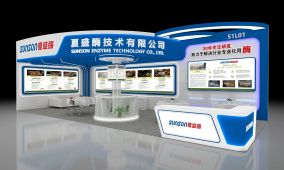
Sunson Enzyme shines at FIC 2026
Sunson Enzyme showcases its core enzyme preparation products and technical solutions at the 29th China International Food Additives and Ingredients Exhibition (FIC) in Shanghai.

Sunson Innovation Center Officially Opens
Sunson Enzyme Technology Co., Ltd. (Sunson) has officially launched its state-of-the-art Biocatalyst Innovation Center, marking a pivotal milestone in the company’s journey toward technological leadership.

Sunson shines at FIC 2025
Sunson Enzyme Technology Co., Ltd. participated in the exhibition with a wide range of product and technology solutions.

Recongnition of National High - tech Enterprise
Sunson Industrial Group Co., Ltd. was recognized as a “National High - tech Enterprise”

Sunson Group 2024 Annual Summary and Awards Ceremony
Sunson Group held its much-anticipated 2024 Annual Summary and Awards Ceremony in Yinchuan

Sunson participated Agrena 2024: Egypt International Poultry Exhibition
Sunson participated Agrena 2024: Egypt International Poultry Exhibition
Sunson Industry Group Co., Ltd.
Address: Room 1404 (15A04), Building 2, Beichenxinjiyuan, No. 13A, Beiyuan Road, Chaoyang District, Beijing, China
Phone:+86 10 84921916; Mobile: +86 18310169953 (Skype or Wechat)
E-mail:enquiry@sunsonzymes.com
For WeChat Connetion
links:


